This article explores some lesser-known facts about boat docks that can enhance your boating experience and ensure you make the most of your time on the water. It’s amazing how the construction and maintenance of a humble boat dock can impact everything from the environment to your day-to-day interactions with the water. As many people find themselves drawn to the lifestyle that involves close proximity to rivers and lakes, understanding boat dock intricacies becomes even more important. Often overlooked, docks can be both a boon and a bane depending on the type and the level of maintenance applied.
Let’s delve into the various elements that make boat docks not just a functional necessity but a fascinating aspect of waterfront living.
How Do Boat Docks Impact Local Ecosystems?
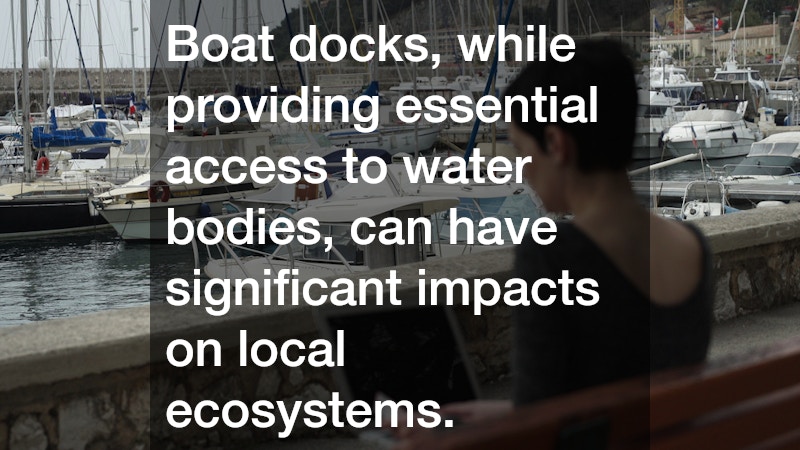
Boat docks, while providing essential access to water bodies, can have significant impacts on local ecosystems. They can alter the natural flow of water, disrupt habitats, and contribute to water pollution. Both the materials used and the dock’s positioning play a crucial role in the extent of environmental disturbance. For instance, wooden docks can leak harmful chemicals into the water due to the preservatives used. Furthermore, as boats frequently move in and out from docks, the disturbance to sediment can affect aquatic life forms sensitive to changes in their environment.
Moreover, the shading effect of docks can alter the growth patterns of aquatic plants underneath. Light is a critical factor for the growth of photo-dependent aquatic plants, and dock structures can obstruct this, leading to reduced biodiversity around these constructions. Shaded waters can limit the photosynthesis process, impacting food sources for a host of marine organisms. Interestingly, the presence of a dock can also influence the temperature of the water beneath, which can affect species that are temperature-sensitive. Consequently, the construction and placement of docks need to be reviewed carefully to mitigate potential environmental issues.
What Are the Different Types of Boat Docks?
Boat docks come in a wide variety, each suited to different needs and environmental conditions. The most common types are floating docks, piling docks, and cantilever docks. Floating docks, as their name implies, float atop the water’s surface and are usually anchored by cables or chains. They are popular for their flexibility and are especially useful in areas where water levels fluctuate. Piling docks, on the other hand, are fixed structures that are constructed with vertical supports driven deep into the seabed for stability, making them ideal for stable waters.
Cantilever docks incorporate an arm or a portion of the dock that extends over the water without needing further support from piles or floats. These are generally more expensive but offer a modern aesthetic and are often chosen for their sleek appearance. Material choice also dictates the type of dock, with wood, aluminum, and composite materials being the most common options. The choice between these options typically depends on factors like location, budget, the intended use of the dock, and aesthetic preference.
Different dock types require different maintenance routines and environmental considerations. For instance, floating docks might need more frequent repositioning while piling docks need less adjustment once installed. The wrong choice of dock type in a particular setting could lead to unnecessary wear and quicker degradation. Additionally, the cost of materials and the local regulations might influence which types of docks are built in a particular area, showcasing how complex the decision-making process can be. Understanding these types aids potential dock owners in making informed decisions that align with their needs and local conditions.
What Maintenance Do Boat Docks Require?
Regular maintenance is crucial for prolonging the lifespan and functionality of a boat dock. One of the essential aspects of dock maintenance involves inspecting for damage or wear and tear, particularly after harsh weather conditions. This includes checking for loose boards, corrosion on metal parts, and ensuring that the structural integrity of the dock is uncompromised. The use of non-toxic sealers on wooden docks is recommended to prevent rot and extend their life. Regular cleaning to remove debris, algae, and barnacles is also necessary to prevent slippery surfaces and potential hazards.
Metal docks demand particular attention to prevent rust, which can rapidly weaken the structure. This might involve regular applications of rust-inhibitors or repainting areas susceptible to corrosion. Moreover, the connectors or fasteners that bind the dock’s components together should be cautiously monitored to prevent any malfunctioning that may lead to accidents. The ease of maintenance can vary significantly between different types of docks, with floating docks typically requiring more frequent adjustments than fixed pile docks.
Understanding these aspects of boat docks can help boaters appreciate their importance and make informed decisions about their use and maintenance. From the choice of construction to the potential environmental impact, each element of a dock can significantly influence both the human and ecological experience. Whether considering installing a new dock or maintaining an existing one, awareness of these intricacies can lead to better outcomes for both dock owners and the surrounding environment. Ultimately, with informed care and consideration, boat docks can enhance water activities while coexisting harmoniously with the natural world.